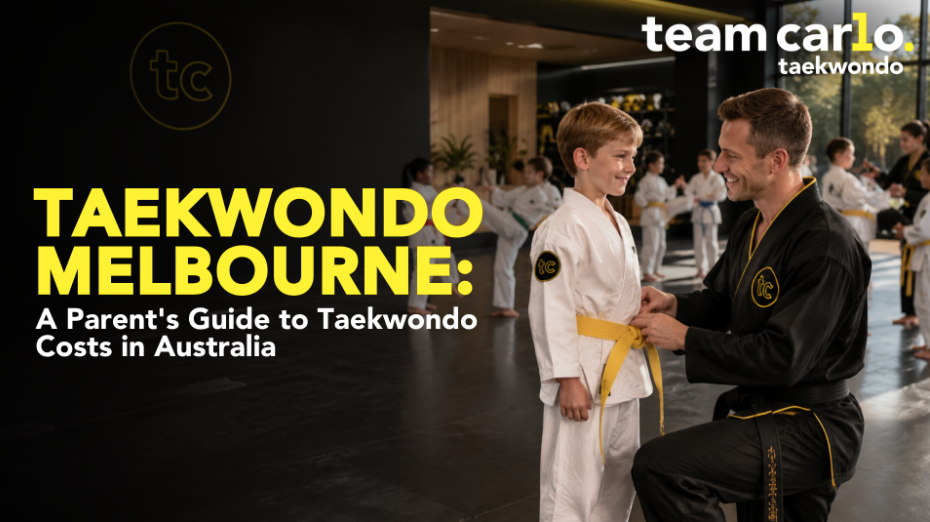
When parents begin searching for taekwondo Melbourne, one of the first questions that comes to mind is, “How much does Taekwondo cost in Australia?” It is a sensible question. Every family wants to find an activity that fits their budget while providing genuine value for their child. However, focusing solely on the weekly fee can overlook the qualities that make a martial arts program truly worthwhile. A well-structured Taekwondo school offers much more than kicking and punching techniques. It helps children develop confidence, discipline, resilience and respect in an environment that supports their personal growth. Understanding what contributes to the cost can help parents make a more informed decision and choose a program that delivers lasting benefits.
How Much Does Taekwondo Cost in Australia?
The cost of Taekwondo classes in Australia varies depending on several factors, including location, class frequency, instructor qualifications and what is included in the membership. Many schools charge weekly or monthly fees, while others offer family discounts or flexible membership options.
Parents should also consider whether the membership includes:
- Uniforms or starter packs
- Belt grading fees
- Access to multiple weekly classes
- Special events or seminars
- Insurance or association memberships
Although a lower price may appear attractive, it does not always provide the best value. A school that invests in experienced instructors, structured programs and personalized coaching may deliver greater long-term benefits for children.
See also: Speech Delay and Frequent Meltdowns: The Communication Link
The Hidden Value of Structured Taekwondo Training
Many parents initially enrol their child to learn self-defence or increase physical activity. While these are valuable outcomes, structured martial arts training offers much broader developmental benefits.
One insight that is often overlooked is that confidence is rarely taught through praise alone. Instead, children develop confidence by repeatedly overcoming manageable challenges. Learning a new pattern, earning the next belt or mastering a difficult technique provides tangible evidence of progress. These small achievements gradually build resilience and self-belief.
Research from the Australian Sports Commission (2026) highlights that participation in organised sport supports children’s physical, social and emotional development — particularly when programs are led by qualified coaches who create safe, inclusive and positive learning environments. The ASC’s modern coaching framework explicitly identifies a holistic approach to developing participants’ physical, social, psychological and cognitive skills as the standard all community sport coaches should aspire to meet. This means that the true value of Taekwondo often extends well beyond the training hall.
What Parents Should Look for in a Taekwondo School
When searching for taekwondo melbourne parents should compare more than prices. The right environment can have a lasting impact on a child’s experience. Some qualities to look for include:
Experienced Instructors
Qualified instructors understand how to teach children at different developmental stages. They know when to encourage, when to challenge and how to help every student progress at an appropriate pace.
Age-Appropriate Programs
Children learn differently as they grow. Programs designed specifically for preschoolers, primary school children and teenagers help ensure lessons remain engaging and achievable.
A Positive Learning Environment
The best martial arts schools create an atmosphere where children feel safe to make mistakes, ask questions and celebrate progress without unnecessary pressure.
Clear Progression
A structured curriculum gives children realistic milestones to work towards. Each achievement reinforces the value of persistence and consistent effort. Families exploring taekwondo melbourne often discover that schools offering these qualities provide greater value than those competing solely on price.
For parents seeking structured children’s martial arts programs, the team at Team Carlo Taekwondo focuses on age-specific training, experienced instruction and a supportive learning environment that helps children develop confidence alongside their martial arts skills. Families can also explore the available Kids Programs to learn more about the different age groups and training pathways.
Choosing Quality Over Cost
When comparing taekwondo melbourne options, the cheapest membership is not always the wisest investment. A quality martial arts school provides experienced instruction, structured programs and a positive environment where children can develop confidence, discipline and resilience alongside their physical skills.
Parents looking for a program that prioritises long-term child development are encouraged to contact Team Carlo Taekwondo to learn more about its age-specific programs and supportive approach to martial arts training.
Frequently Asked Questions
What is the best age to start Taekwondo?
Many children are ready to begin Taekwondo from around four or five years of age through age-appropriate beginner programs. At this stage, lessons focus on listening skills, balance, coordination and confidence rather than advanced techniques. The best age ultimately depends on a child’s maturity, attention span and willingness to participate in a structured group activity.
Is Taekwondo popular in Australia?
Yes. Taekwondo is one of Australia’s most widely practised martial arts. Thousands of children and adults participate through local clubs, community programs and competitive organisations. Its popularity continues to grow because it combines physical fitness, self-defence and personal development in a family-friendly environment.
Which is harder, karate or Taekwondo?
Neither martial art is universally harder than the other. Taekwondo generally places greater emphasis on dynamic kicking techniques, flexibility and speed, while karate often focuses more on hand strikes, stances and close-range techniques. The better choice depends on a student’s interests, goals and preferred learning style.