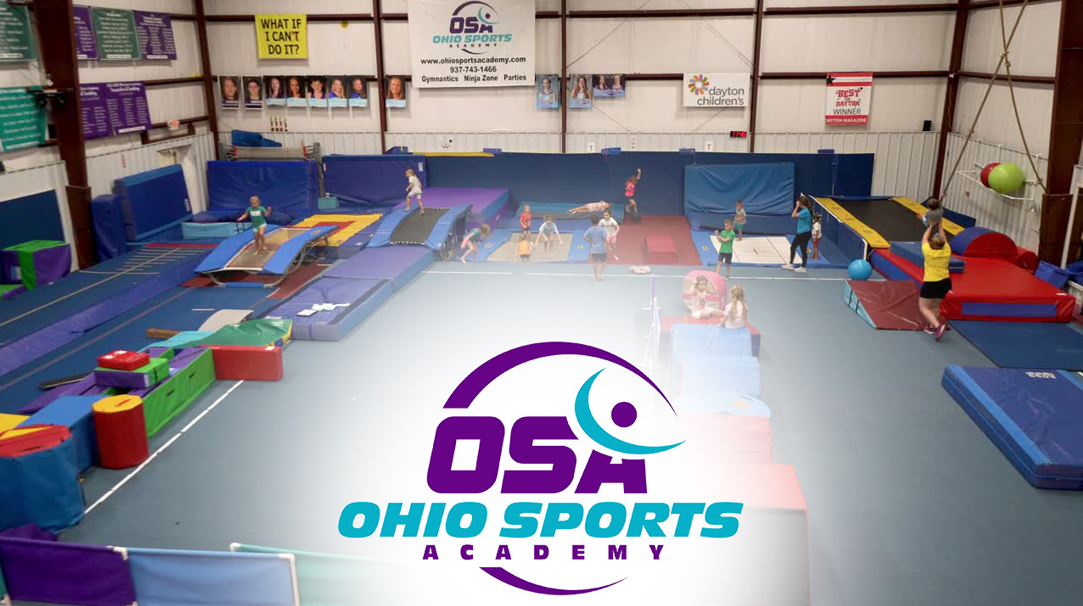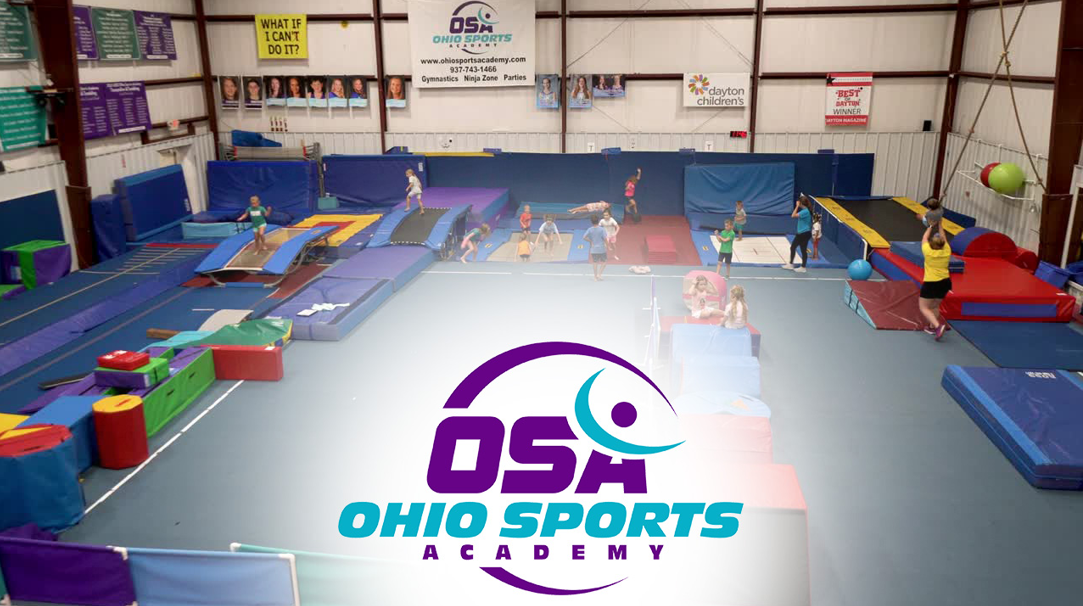
Back-to-school season is usually filled with supply lists, new schedules, earlier bedtimes, and a rush to rebuild routines after summer. Physical activity belongs in that conversation too. A structured class after school can give children a place to move, practice listening, build coordination, and work toward goals outside the classroom. At Ohio Sports Academy in Springboro, Ohio, programs such as preschool gymnastics, tumbling, ninja, trampoline, aerial arts, cheer training, and adaptive gymnastics create several ways for families to add movement to the school-year schedule.
What makes the modern approach interesting is how traditional coaching now works alongside digital tools, progressive skill systems, flexible class management, and age-based programming. The result is not technology replacing movement. It is technology and thoughtful program design making it easier for families to find, follow, and support an activity that fits a child’s stage of development.
That makes fall a natural time to reassess extracurricular choices. Rather than filling every open afternoon, families can look for activities that offer progression, dependable scheduling, and an environment children enjoy returning to. A well-matched program can support consistency without making the school week feel overloaded.
Digital Tools Make the School-Year Schedule Easier to Manage
One of the biggest back-to-school challenges is logistics. Classes, homework, school events, appointments, and family plans all compete for the same afternoon and evening hours. Ohio Sports Academy currently offers a family portal and an OSA app designed to help families manage class-related information more conveniently. The academy also states that families can contact the facility through the app.
That kind of digital access can matter once the school year becomes busy. Parents are not simply choosing an activity; they are fitting it into an existing routine that can change from week to week. The academy also advertises unlimited make-up classes when families notify the gym before the scheduled class begins, giving students another way to stay consistent when illness, travel, or a crowded calendar interrupts the normal plan.
Technology appears in the viewing experience as well. Ohio Sports Academy says it partners with Spot TV so families can watch class from a smartphone. For parents, that creates a modern way to stay connected to what a child is learning without needing to stand beside the activity floor.
The best back-to-school technology is often the kind that reduces friction. An app, class portal, make-up policy, and mobile viewing option do not perform a cartwheel or teach a landing, but they can make regular participation easier to manage.
Pre-K Gymnastics Builds Skills That Fit the Classroom Transition
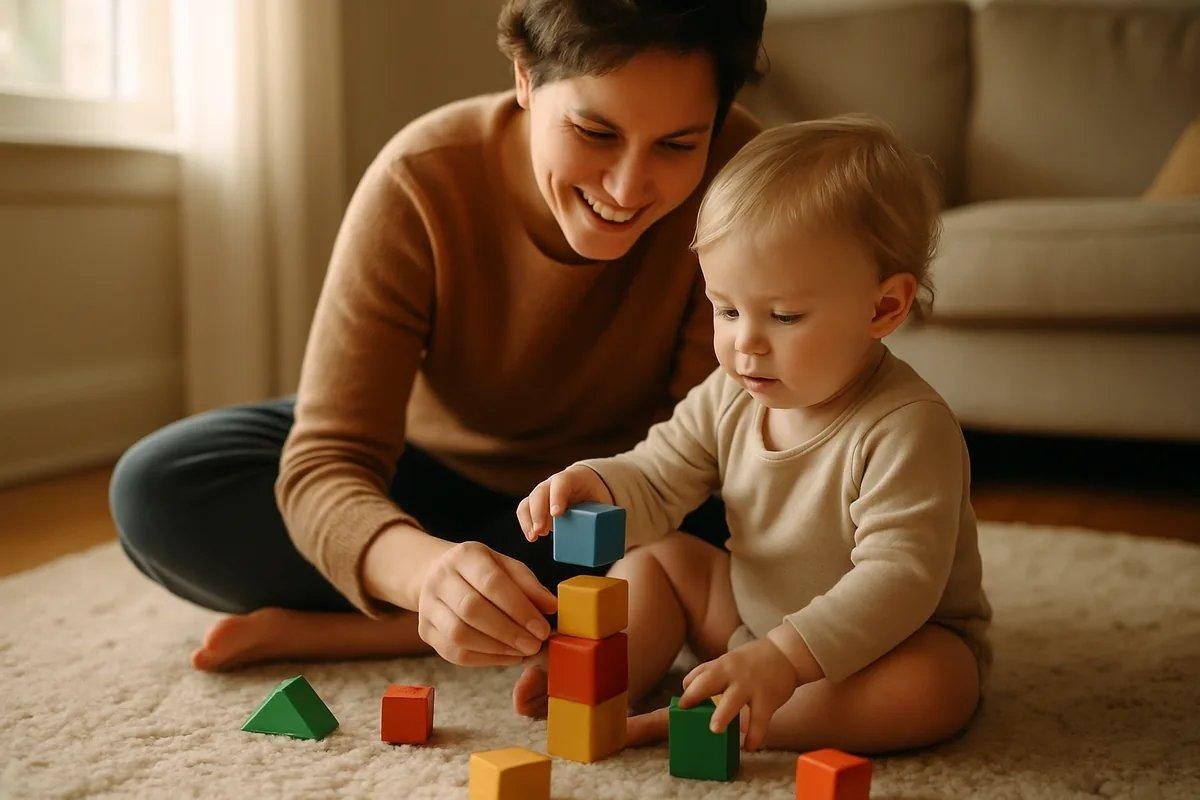
For younger children, back-to-school season may be their first experience with a more structured daily routine. Movement classes can support that transition by giving children another environment in which to practice listening, following directions, taking turns, moving safely, and becoming more independent.
Ohio Sports Academy’s preschool and kindergarten programming is built around age and developmental progressions. Its Pre-K program includes classes that introduce basic gymnastics while working on strength, balance, coordination, body awareness, and age-appropriate motor skills. The kindergarten-level transitional class moves into the larger gym and includes stations, obstacle courses, body shapes, rolls, handstands, cartwheels, round-offs, backbends, and related fundamentals.
Families exploring dayton gymnastics can review Ohio Sports Academy’s Pre-K and kindergarten approach, which is designed to build a foundation while helping children learn, have fun, and grow through progressive activities.
This kind of programming is especially relevant during the school-year reset because children are learning how to operate within routines. A gymnastics class is not a substitute for academic learning, but it can provide another structured setting where effort, listening, repetition, and gradual improvement matter.
Progression Systems Turn Big Skills Into Smaller Goals
One reason children can lose motivation in an activity is that the final skill looks impossibly far away. Modern youth programs increasingly solve that problem by breaking development into smaller progressions. Instead of expecting a beginner to perform an advanced movement immediately, coaches build prerequisite skills and allow students to advance as those foundations become more consistent.
Ohio Sports Academy describes a progressive learning style across its programs. In tumbling, for example, students move through levels by completing required skills consistently before advancing. Its Ninja Zone program uses a 10-level mastery system organized across color levels and skill “Worlds” that include Gymnastics, Parkour, Tricking, and Warrior.
That structure can be useful during the school year because it gives children concrete goals that exist outside grades and test scores. A student may spend several weeks improving a cartwheel, landing, climb, jump, or body position. Progress can be visible even when the final skill has not been mastered yet.
This approach also reinforces a healthy idea about learning: difficult things are usually built from smaller steps. Ohio Sports Academy’s stated philosophy includes approaching challenges, building confidence, and celebrating success. Those themes fit naturally with a school-year routine in which children are constantly being asked to practice new material, make mistakes, and try again.
A Variety of Programs Helps Families Match Activity to Personality
Not every child wants the same kind of movement experience. Some enjoy the technical repetition of tumbling. Others are drawn to obstacle courses, aerial apparatuses, trampoline skills, cheer motions, or competitive goals. A broad program menu makes it easier to choose an activity based on interest rather than forcing every student into one format.
Ohio Sports Academy currently lists baby classes, Pre-K gymnastics, tumbling, ninja, aerial arts, adaptive gymnastics, cheer jumps and motions, private lessons, trampoline classes, open gym options, and competitive teams. Its Ninja program combines obstacle training with elements of gymnastics, martial arts, and freestyle movement, while aerial arts introduces apparatuses such as silks, hammock, hoop, trapeze, and straps for appropriate age groups and levels.
A gymnastics school with multiple program paths can give families room to explore what motivates a student while keeping movement, coaching, and skill progression at the center of the experience.
That flexibility can be valuable when school resumes. One child may need an energetic outlet after sitting for much of the day, while another may enjoy a focused technical challenge. Choosing an activity that matches personality can make consistency easier, and consistency is where skill development usually happens.
Coaching, Cleanliness, and Class Structure Still Matter More Than Gadgets
Innovation can improve convenience, but the quality of a youth program still depends heavily on the environment and the people leading it. Ohio Sports Academy emphasizes low coach-to-student ratios, a progressive coaching style, daily equipment cleaning, and a facility designed around children. Its stated mission is to encourage students to reach their potential in a healthy, supportive manner regardless of athletic ability or goals.
Those details matter during back-to-school season because families are building routines they may maintain for months. A class needs to feel sustainable, not merely exciting on the first day. Children benefit from knowing what to expect, receiving instruction appropriate to their level, and having space to make mistakes without feeling that every attempt must be perfect.
The academy also offers adaptive gymnastics for children with moderate challenges, including developmental delay, attention difficulties, autism, sensory issues, coordination problems, and fear of movement. The program is described as a recreational movement that can exist alongside other therapies, with staff working to understand what helps individual students succeed.
That is another reminder that “modern” does not have to mean more screens. Sometimes the most important innovation is designing programs around different learners and giving coaches enough structure to support them.
see also: Gaming Technology and Innovation
A Smarter Back-to-School Plan Makes Room for Movement
A successful school-year routine is not built only around academics. Children also need chances to move, practice physical skills, experience manageable challenges, and enjoy activities that give them a sense of progress. Gymnastics and related programs can provide that outlet while fitting into a broader weekly structure.
Ohio Sports Academy’s current model combines age-based classes, progressive skill development, varied program choices, digital family tools, make-up options, mobile class viewing, and coaching designed around confidence and growth. None of those features replaces the work a student does in class. Instead, they create a framework that can make participation easier to organize and progress easier to understand.
For families planning the new school year, the most useful approach is to start with the child. Consider age, interests, current activity level, personality, schedule, and whether the student prefers structured skill practice, obstacle-based movement, performance, or another style of challenge. Then choose a class that feels realistic alongside school responsibilities.
Back-to-school season is already a reset point. Adding a consistent movement program can make that reset more balanced by giving children something active to anticipate each week. With the right fit, a class can become more than another appointment on the calendar. It can be a place where students practice persistence, celebrate small wins, and build confidence one skill at a time.